Mobile vs. Fixed Scissor Lifts: Which Elevating Platform Does Your Factory Need?
Industrial buyers across Russia and Eastern Europe increasingly source elevating platforms in English and Russian technical packages, but the first engineering decision is architectural: do you need mobility across bays and utilities, or a anchored system that behaves like plant infrastructure?
This article compares mobile scissor lifts and fixed scissor lift platforms on real factory missions—maintenance, installation, cleaning, assembly-line docking, and vertical freight—without blurring two different categories into one generic “lift.”
Decision Framework: Workflow First, Catalog Second
Before comparing load charts, map how the platform earns its hours:
- Mission mix: occasional elevated work versus daily production coupling.
- Duty cycle: short interventions versus synchronized line rhythm.
- Payload class: personnel plus tools versus pallets, fixtures, or machine modules.
- Vertical path: single working height versus multi-stop freight logic.
If your dominant need is flexible access to overhead utilities, ducting, lighting, and process equipment, mobility usually wins. If the dominant need is repeatable docking to conveyors, mezzanines, or cleanrooms at rated tonnage, fixed integration usually wins.
Mobile Scissor Lifts: Extreme Flexibility for Maintenance, Installation, and Cleaning
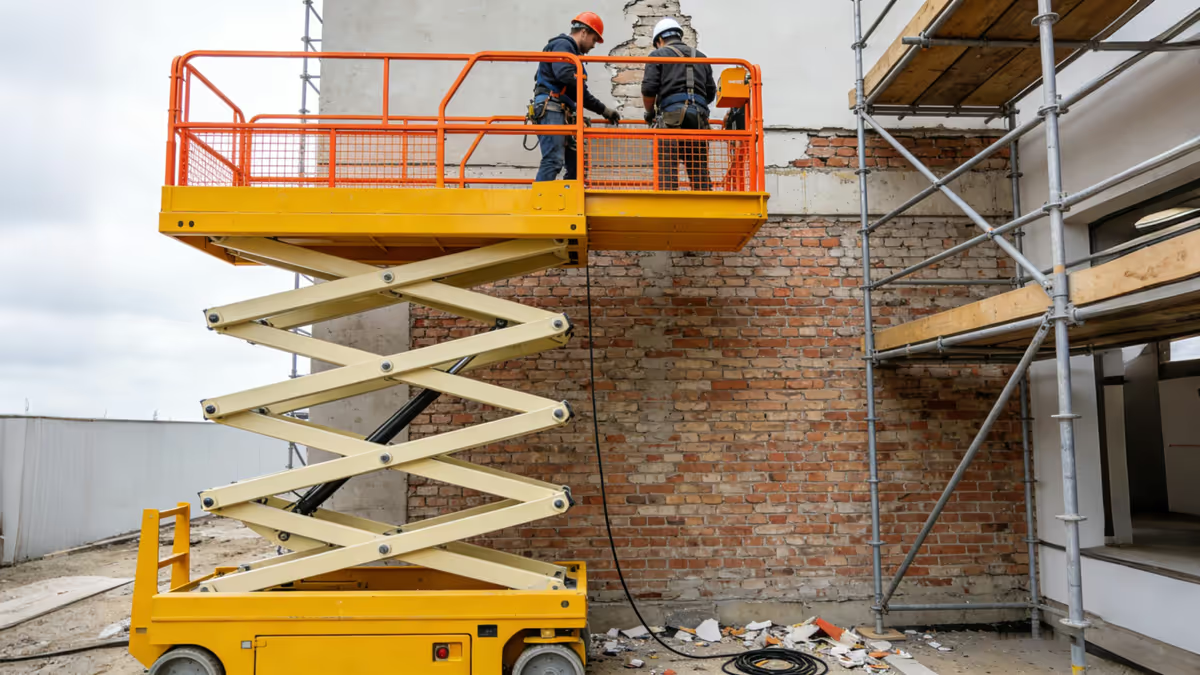
Mobile configurations are built around maximum flexibility for in-plant elevated maintenance, equipment installation, and industrial cleaning programs. A self-propelled or towable scissor architecture lets maintenance teams stage quickly, reposition between lines, and exit production aisles when work is complete—without committing a permanent shaft footprint.
Typical strengths include:
- Rapid redeployment between departments and projects
- Lower civil-work dependency when compared with pit-mounted fixed systems
- Strong fit for contractors supporting multiple sites under one fleet policy
Operational discipline still matters: wheel load, floor flatness, slope limits, and exclusion zones must match manufacturer assumptions. But when the work is inherently mobile-by-nature, a mobile scissor lift is usually the most honest match to the risk profile and schedule.
Fixed Scissor Lifts: Heavy-Duty Performance for Line Docking and Interfloor Freight
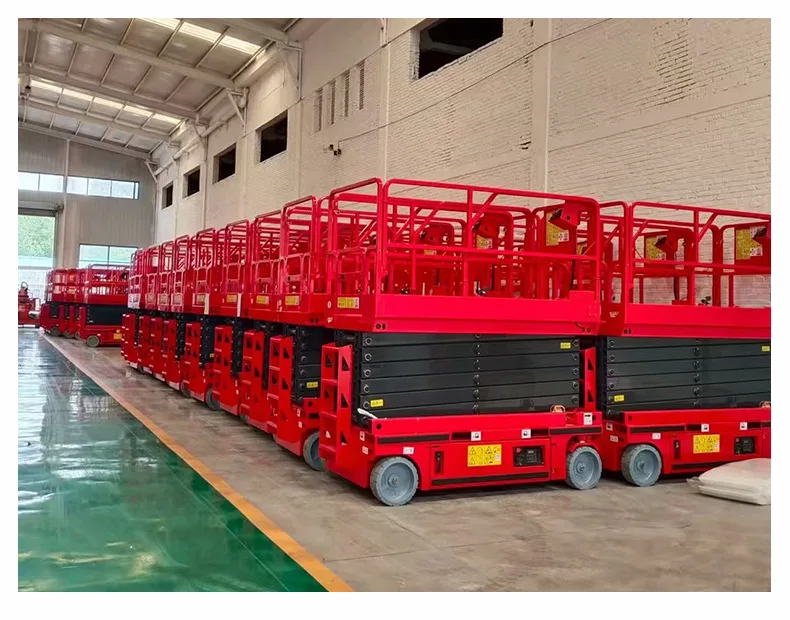
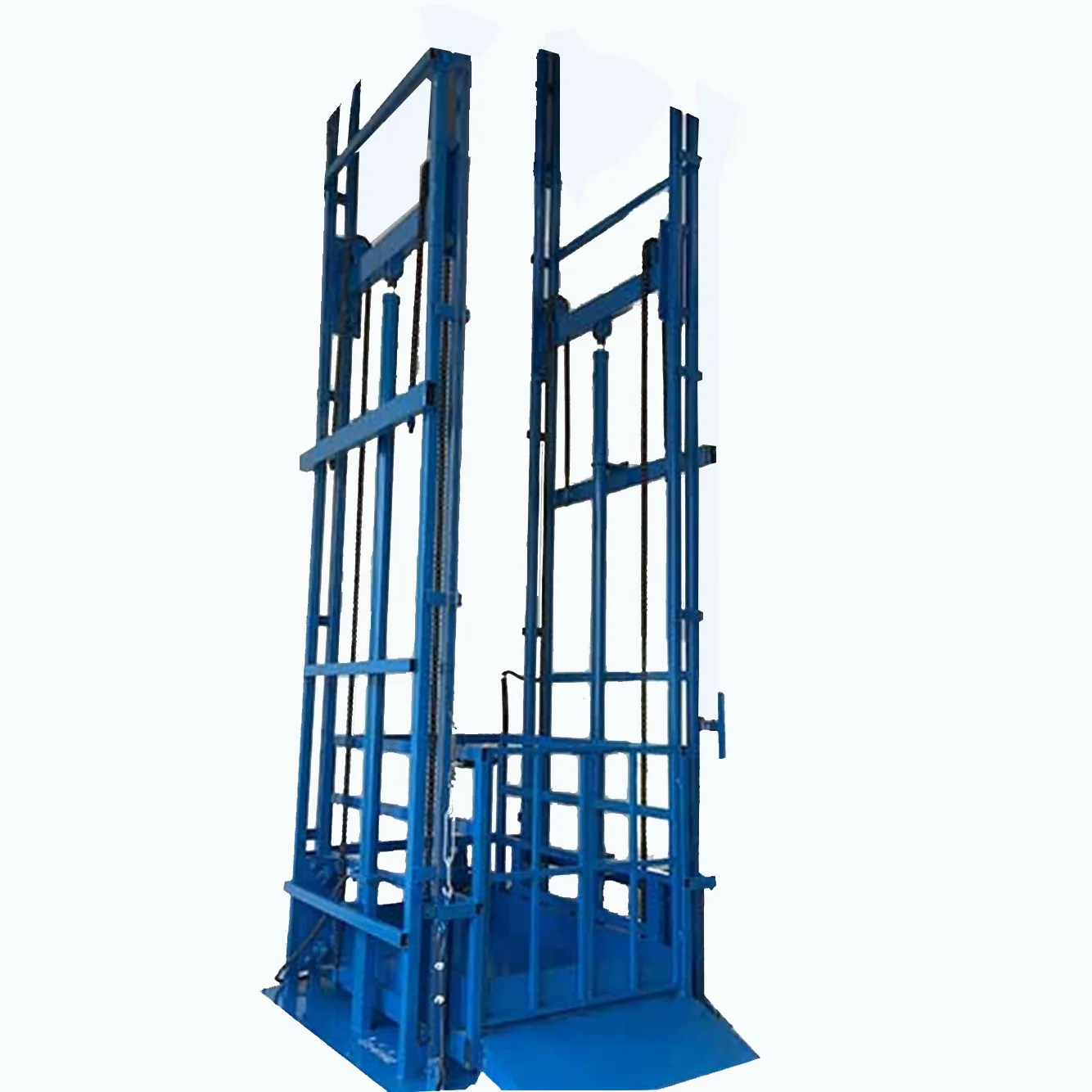
Fixed scissor solutions are engineered for high-tonnage heavy-duty roles where the platform is part of the building’s material flow. They are a strong match for assembly line docking, conveyor hand-off, and efficient interfloor cargo transfer when payloads, cycle times, and alignment tolerances exceed what a mobile fleet can economically guarantee.
Typical strengths include:
- Structural integration with guards, interlocks, and factory automation signals
- Stable repeatability for palletized goods and engineered fixtures
- Ability to prioritize freight duty over “drive-away” mobility
Fixed platforms are not “better,” but they are different: they trade away roaming convenience to buy mechanical certainty at the interface where production either flows—or stops.
Safety Systems That Should Be Non-Negotiable
Whether mobile or fixed, buyers should treat core safety functions as standard equipment expectations, not optional line items. A defensible specification for export-grade machines commonly includes:
- Anti-fall explosion-proof valve philosophy in the hydraulic lowering path, aligned with controlled descent expectations under pressure anomalies
- Overload protection with clear annunciation and prevention of continued lift beyond verified margins
- Emergency lowering that remains operable under power-loss scenarios, with documented procedure and training hooks
These features do not replace training, inspection, or guarding—but they define the minimum hydraulic and control integrity that serious plants expect in 2026 sourcing programs.
Global Deep Customization: Size, Stroke, and Voltage Alignment
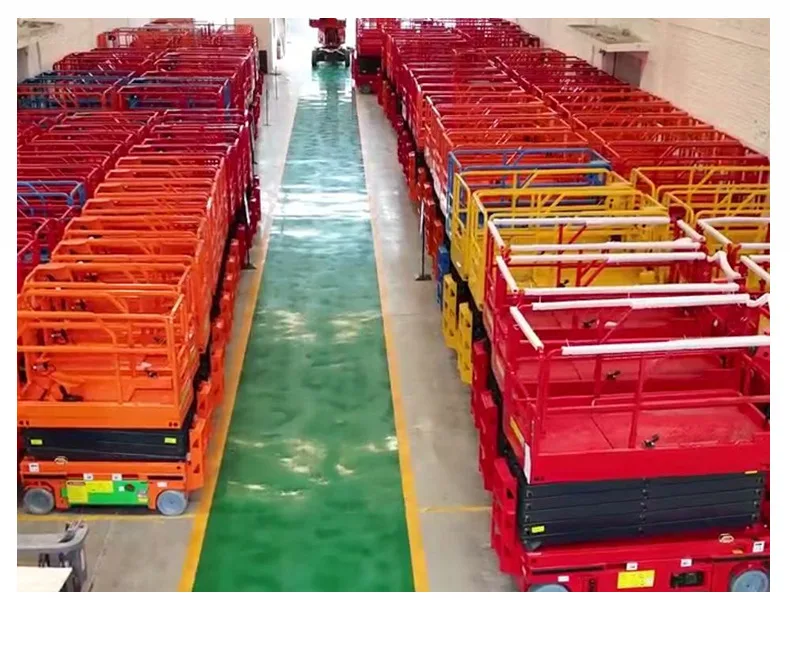
Factories rarely match catalog “standard cells.” Strong suppliers engineer platform dimensions and lifting height to the real envelope: doorway widths, pit depths, mezzanine openings, and maintenance windows.
Electrical compatibility is equally critical for Russia and Eastern Europe programs. A serious customization package should address European, North American, and Russia-relevant voltage and control conventions—not only a nominal sticker, but motor thermal class, component certification context, and documentation clarity for local acceptance teams.
Weather Resistance and Cold-Climate Hydraulics
Harsh plants punish cosmetic finishes and marginal fluid specs. For outdoor bays, unheated halls, and seasonal exposure, specify:
- High-strength anti-corrosion coatings on exposed steel and hardware classes suited to industrial detergents
- Cold-rated hydraulic systems engineered for extreme low temperatures, including −40 °C fluid and component strategies where winter operation is contractual
Cold capability is not marketing noise when a single January shift can otherwise freeze a procurement decision in place.
Practical Selection Summary
Choose mobile when elevated work moves with the project, when floors and traffic patterns require frequent repositioning, and when the primary risk story is access—not permanent material coupling.
Choose fixed when the lift is a throughput node, when payloads and alignment tolerances define the design, and when interfloor freight or line docking is the economic justification.
Why Ascent Crane Fits Export-Oriented Factory Programs
Ascent Crane is a professional manufacturer of lifting and aerial work equipment. Beyond single SKU shipments, the team supports one-stop engineering and supply—from application review and configuration control to documentation packages that help Eurasian buyers move from specification to commissioning with fewer interface gaps.
If you are comparing architectures for a brownfield retrofit or a new line, send your duty description, envelope drawings, and preferred electrical region; a structured option map is faster than catalog guessing.